
Local planning policy field guide
Shropshire Council planning policy summary
Explore Shropshire Council’s planning requirements for common proposals, with the local tests, application evidence and official documents gathered in one place.
AI-generated from the linked official sources; not editorially reviewed. How these summaries are prepared.
- Local answers
- 15
- Official documents cited
- 2
- Planning sections
- 12
- Sources checked
- 5 September 2026
What this guide covers
Current Shropshire-wide strategic policies in the adopted Core Strategy, read with the council's May 2026 confirmation of the current development-plan hierarchy. Site allocations, settlement maps, detailed development-management policies, made neighbourhood plans, supplementary guidance, the emerging plan and address-specific constraints must also be checked where relevant.
Popular checks
Start with a common planning question
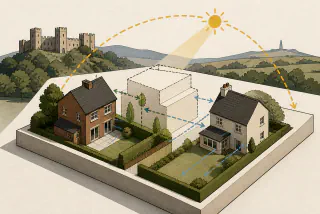 Neighbour amenityDaylight and neighboursCheck daylight, separation and privacy guidance.Open requirement
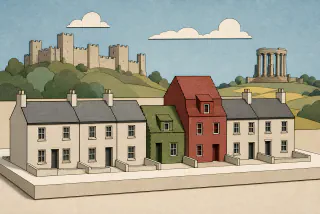 DesignDesign and characterReview scale, materials, extensions and local character.Open requirement
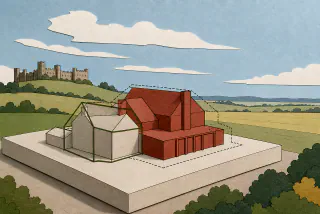 LocationGreen BeltCheck local thresholds for extensions and replacement buildings.Open requirement
Section 1
Consent, policy and location
Current development plan and policy hierarchy
What current plan documents and retained policies does the authority say form the development plan, and how should conflicts or transitions be handled?
The council's May 2026 programme document identifies the adopted Core Strategy 2011 and SAMDev Plan 2015, together with made neighbourhood plans, as the current development plan while a replacement plan is prepared.
- When this answer applies
- Start with this hierarchy for development in Shropshire and then identify the SAMDev allocation or development-management policy and any made neighbourhood plan for the site.
Details and exceptions
- The Core Strategy is strategic and cannot be applied alone where SAMDev, a policies map or a made neighbourhood plan supplies the detailed site rule.
- National policy and any later statutory change remain relevant.
Sources used
- Shropshire Local Plan Project Initiation Document (opens in a new tab)Plan status— Section 2, Local Plan status, PDF page 5
- Shropshire Local Development Framework: Adopted Core Strategy (opens in a new tab)Development plan— Section 1, paragraphs 1.1–1.2, printed pages 1–2
Countryside development
What does the authority say about development in the countryside or rural areas outside settlements?
Policy CS5 strictly controls countryside development but supports specified rural needs and benefits, including small-scale economic diversification, essential countryside workers and local-needs housing, land-based development, established-business expansion, suitable building conversions, rural tourism and necessary community infrastructure.
- When this answer applies
- Relevant outside settlements and allocated sites, including rural conversions and proposals justified by a countryside need.
Details and exceptions
- The proposal must fit a listed category, maintain or enhance countryside vitality and character, and comply with detailed SAMDev policies and Policy CS6.
- Green Belt proposals face additional national and local controls.
Sources used
- Shropshire Local Development Framework: Adopted Core Strategy (opens in a new tab)Development plan— Policy CS5, printed pages 65–68
Green Belt development
What does the authority say about development in the Green Belt?
Policy CS5 applies additional control in south-eastern Shropshire's Green Belt, with limited infilling and local-needs affordable housing identified only in the circumstances set out by the policy and the SAMDev Plan.
- When this answer applies
- Only relevant where the adopted policies map places the land in the Green Belt or safeguarded land.
Details and exceptions
- Check the current national Green Belt tests and the SAMDev policies map; the Core Strategy's references to older national guidance are not a substitute for current national policy.
- Very special circumstances may be required for inappropriate development.
Sources used
- Shropshire Local Development Framework: Adopted Core Strategy (opens in a new tab)Development plan— Policy CS5, Green Belt section and paragraphs 4.75–4.77, printed pages 66–68
Related local appeal evidence
Green Belt inappropriateness
8 matched decision families in this local evidence view.
- 0 allowed
- 8 dismissed
Other planning topics9
Keep these national checklist topics in mind alongside the local requirements above.
- Neighbourhood plan applicability
- Site allocations and site-specific policy
- Design codes and masterplans
- Settlement boundaries
- Local separation and green-wedge designations
- Planning permission and application route
- Permitted development and local limitations
- Prior approval requirements
- Article 4 directions
Section 2
Neighbour amenity
Daylight, sunlight, overshadowing and overbearing impact
How does the authority assess daylight, sunlight, overshadowing and overbearing impact?
The Core Strategy does not state a universal 45-degree or daylight number in Policy CS6; it requires all development to safeguard residential and local amenity through high-quality, context-responsive design.
- When this answer applies
- Relevant where a proposal could affect the living conditions of neighbours or future occupants.
Details and exceptions
- This is a strategic amenity test, not confirmation that no detailed daylight, sunlight or overbearing guidance applies; check SAMDev, supplementary guidance and the facts of the site.
Sources used
- Shropshire Local Development Framework: Adopted Core Strategy (opens in a new tab)Development plan— Policy CS6, third all-development criterion, printed page 69
Related local appeal evidence
Neighbour living conditions
19 matched decision families in this local evidence view.
- 6 allowed
- 13 dismissed
Other planning topics5
Keep these national checklist topics in mind alongside the local requirements above.
- Outlook and enclosure
- Privacy, overlooking and separation
- Noise and vibration
- Odour, fumes and dust
- Artificial light and glare
Section 3
Design, form and character
Character, context and placemaking
What does the authority say about responding to local character, townscape, context, public realm, legibility and inclusive or safe design?
Policy CS6 requires high-quality, inclusive and accessible design that respects and enhances local distinctiveness and is appropriate in scale, density, pattern and design for the site's context and character.
- When this answer applies
- Applies to all development, including alterations to existing buildings.
Details and exceptions
- The policy sets a judgement rather than a universal numeric design standard; relevant character assessments, local guidance and detailed SAMDev policy must be applied to the site.
Sources used
- Shropshire Local Development Framework: Adopted Core Strategy (opens in a new tab)Development plan— Policy CS6, printed pages 69–70
Related local appeal evidence
Area character and appearance
84 matched decision families in this local evidence view.
- 22 allowed
- 62 dismissed
Other planning topics8
Keep these national checklist topics in mind alongside the local requirements above.
- Layout, siting and building lines
- Scale, height and massing
- Side spacing and terracing
- Extensions
- Roof alterations and dormers
- Outbuildings and ancillary structures
- Materials and architectural detail
- Boundaries, frontages and entrances
Section 4
Residential quality and housing form
Accessible and adaptable homes
What does the authority say about wheelchair, accessible and adaptable housing standards or proportions?
Policies CS6 and CS11 expect housing to be adaptable over its lifetime, including for changing lifestyles and the needs of older and disabled people.
- When this answer applies
- Relevant to new housing and specialist accommodation.
Details and exceptions
- The Core Strategy references the former Lifetime Homes standard; confirm the current applicable optional Building Regulations standards and any later local guidance.
Sources used
- Shropshire Local Development Framework: Adopted Core Strategy (opens in a new tab)Development plan— Policies CS6 and CS11, printed pages 69 and 85–86
Other planning topics11
Keep these national checklist topics in mind alongside the local requirements above.
- Internal space standards
- Private amenity space
- Shared amenity and play space
- Housing mix, size and density
- Older-person, care and supported housing
- Build to rent
- Student and co-living accommodation
- Annexes and ancillary accommodation
- Subdivision and flat conversion
- HMOs and room-based shared housing
- Infill, backland and garden development
Section 5
Movement, parking and servicing
Active travel and public transport
What does the authority say about walking, wheeling, cycling and public-transport connections or improvements?
Policies CS6 and CS7 seek accessible locations for traffic-generating development, maximise walking, cycling and public-transport opportunities, reduce car travel, and protect and enhance strategic and local cycle, footpath, bridleway and canal networks.
- When this answer applies
- Relevant to site selection, layout and access, especially for proposals likely to generate significant traffic.
Details and exceptions
- The Core Strategy gives no single threshold for every transport document; current highway guidance and validation requirements determine the evidence needed.
Sources used
- Shropshire Local Development Framework: Adopted Core Strategy (opens in a new tab)Development plan— Policies CS6–CS7, printed pages 69 and 73–76
Other planning topics9
Keep these national checklist topics in mind alongside the local requirements above.
- Access, highway safety and visibility
- Vehicle parking
- Accessible parking
- Cycle parking and storage
- Electric-vehicle charging
- Turning, emergency access and tracking
- Servicing, loading and deliveries
- Refuse and recycling storage and collection
- Transport impacts, mitigation and monitoring
Section 6
Heritage, archaeology and views
Listed buildings and their setting
What does the authority say about works affecting a listed building or its setting, including separate consent?
Policies CS6 and CS17 require development to protect, conserve and enhance the built and historic environment, including heritage assets, their immediate surroundings and connecting corridors, while reinforcing local distinctiveness.
- When this answer applies
- Relevant where a proposal affects a designated or non-designated heritage asset or its setting.
Details and exceptions
- The significance and impact assessment is site-specific; apply current national heritage policy and detailed SAMDev or neighbourhood-plan provisions as well as the Core Strategy.
Sources used
- Shropshire Local Development Framework: Adopted Core Strategy (opens in a new tab)Development plan— Policies CS6 and CS17, printed pages 69 and 108–110
Other planning topics4
Keep these national checklist topics in mind alongside the local requirements above.
- Conservation areas
- Non-designated heritage assets
- Archaeology
- Historic landscapes and important views
Section 7
Nature, landscape and open space
Designated habitats and impact zones
What does the authority say about designated habitats, ecological networks, consultation zones and strategic mitigation areas?
Policy CS17 requires environmental assets and their links to be identified, protected, enhanced and connected; its supporting text says appropriate assessment is necessary where a proposal may negatively affect the integrity of a Special Protection Area, Special Area of Conservation or Ramsar site within or adjoining Shropshire.
- When this answer applies
- Relevant to development that could affect designated habitats, protected species, ecological corridors or the wider environmental network.
Details and exceptions
- Current habitats legislation and case-specific screening govern whether assessment is required; ecological effects can extend beyond the application boundary.
Sources used
- Shropshire Local Development Framework: Adopted Core Strategy (opens in a new tab)Development plan— Policy CS17 and paragraph 7.10, printed pages 108–110
Other planning topics9
Keep these national checklist topics in mind alongside the local requirements above.
- Trees and tree preservation
- Hedgerows
- Ancient woodland and veteran trees
- Protected species
- Biodiversity net gain
- Nationally designated landscapes
- Landscape character and visual impact
- Local Green Space
- Green infrastructure, open space and recreation
Section 8
Flooding, environment and climate
Flood risk and the sequential approach
What does the authority say about flood zones, sequential and exception tests, vulnerability, levels and resilience?
Policy CS18 requires allocations and planning applications to follow the national flood-risk tests and have regard to Shropshire's strategic flood-risk assessments, with development designed to remain safe over its lifetime and account for climate change.
- When this answer applies
- Relevant to development in areas of flood risk and wherever the national sequential approach or a site-specific flood-risk assessment is triggered.
Details and exceptions
- The policy cites superseded national guidance; apply the current national flood-risk framework, current flood maps and the latest local flood-risk evidence.
Sources used
- Shropshire Local Development Framework: Adopted Core Strategy (opens in a new tab)Development plan— Policy CS18, first two criteria, printed pages 111–112
Drainage and sustainable drainage
What does the authority say about surface-water hierarchy, runoff, attenuation, SuDS, adoption and maintenance?
Policy CS18 requires appropriate sustainable drainage for all development, including changes to existing buildings, and says proposals should reduce existing runoff and must not increase it; major proposals and development in identified drainage areas must demonstrate coordinated surface-water management.
- When this answer applies
- Relevant to new development and alterations that affect surface-water drainage.
Details and exceptions
- The form and detail of drainage evidence depend on the site's flood setting, proposal scale, current lead-local-flood-authority guidance and validation requirements.
Sources used
- Shropshire Local Development Framework: Adopted Core Strategy (opens in a new tab)Development plan— Policy CS18, surface-water and sustainable-drainage criteria, printed pages 111–112
Energy, carbon and sustainable construction
What does the authority say about energy hierarchy, operational or embodied carbon, renewable energy and sustainable construction for ordinary development?
Policy CS6 requires sustainable design and construction, resource and energy efficiency, renewable generation where appropriate, and design that mitigates and adapts to climate change.
- When this answer applies
- Applies to all development, including changes to existing buildings.
Details and exceptions
- The policy's references to a sustainability checklist and national standards must be applied using current standards and any operative detailed guidance rather than historic plan-era benchmarks.
Sources used
- Shropshire Local Development Framework: Adopted Core Strategy (opens in a new tab)Development plan— Policy CS6, opening and first criterion, printed pages 69–70
Water efficiency
What does the authority say about potable-water efficiency and consumption standards?
Policy CS18 expects new development and changes to existing buildings to incorporate water-efficiency measures that protect water resources and reduce pressure on wastewater infrastructure.
- When this answer applies
- Relevant to residential and non-residential development involving water use.
Details and exceptions
- No current numeric water-use standard is verified from this source alone; check current Building Regulations, SAMDev and any current local technical guidance.
Sources used
- Shropshire Local Development Framework: Adopted Core Strategy (opens in a new tab)Development plan— Policy CS18, final criterion, printed page 112
Other planning topics7
Keep these national checklist topics in mind alongside the local requirements above.
- Coastal change and erosion
- Contaminated land
- Land stability and mining legacy
- Air quality
- Water environment, wastewater and nutrients
- Overheating and climate resilience
- Agricultural land and soils
Section 9
Housing delivery and contributions
Affordable housing
What does the authority say about affordable-housing thresholds, percentages, tenure or mix, delivery and exceptions?
Policy CS11 seeks a locally informed mix of housing size, type and tenure, on-site affordable housing on sites of five or more dwellings, contributions from open-market housing and suitable local-needs exception schemes.
- When this answer applies
- Relevant to residential development, countryside conversions and local-needs exception proposals.
Details and exceptions
- The policy's plan-period percentages and five-dwelling threshold must be read with current national policy, the current Shropshire affordable-housing target, viability evidence, SAMDev and supplementary guidance before being relied on.
- The exact tenure mix is determined using current local-needs information.
Sources used
- Shropshire Local Development Framework: Adopted Core Strategy (opens in a new tab)Development plan— Policy CS11 and paragraphs 5.13–5.22, printed pages 85–88
Section 106 and infrastructure contributions
What does the authority say about planning obligations, infrastructure contributions, calculation and delivery?
Policy CS9 says development adding dwellings or employment premises should contribute proportionately to critical, priority and key infrastructure; it identifies conditions, section 106 agreements and the Community Infrastructure Levy as possible mechanisms.
- When this answer applies
- Relevant to new dwellings, employment premises, conversions and subdivisions, subject to the policy's exclusions and current statutory tests.
Details and exceptions
- Policy CS9 says ordinary householder applications and extensions are excluded except for their own critical infrastructure and Policy CS6 requirements.
- The amount and mechanism depend on current CIL, section 106 law, viability, SAMDev and the live infrastructure schedule.
Sources used
- Shropshire Local Development Framework: Adopted Core Strategy (opens in a new tab)Development plan— Policy CS9 and paragraphs 4.110–4.117, printed pages 79–81
Other planning topics3
Keep these national checklist topics in mind alongside the local requirements above.
- Community Infrastructure Levy
- Viability
- Delivery, phasing and monitoring
Section 10
Application evidence and validation
Other planning topics12
Keep these national checklist topics in mind alongside the local requirements above.
- Local validation list and core information
- Design and Access and Planning Statements
- Heritage and archaeology evidence
- Trees, landscape, ecology and BNG evidence
- Flood, drainage and water evidence
- Transport, parking and travel evidence
- Ground and pollution evidence
- Energy, sustainability and climate evidence
- Affordable housing, viability and contributions evidence
- Construction, demolition and waste evidence
- Environmental Impact Assessment
- Fire statements and planning-gateway evidence
Section 11
Economic, community and specialist uses
Other planning topics22
Keep these national checklist topics in mind alongside the local requirements above.
- Employment sites and premises
- Retail, town centres and main-town-centre uses
- Community facilities
- Tourism and visitor accommodation
- Agriculture and farm diversification
- Rural workers' dwellings
- Equestrian development
- Traveller, Gypsy and showpeople sites
- Caravan, camping and holiday parks
- Aviation, airports and aerodrome safeguarding
- Telecommunications
- Advertisements and signage
- Shopfront design
- Solar energy
- Wind energy
- Battery energy storage
- Other renewable and low-carbon infrastructure
- Hazardous installations and pipelines
- Defence, radar and technical safeguarding
- Ports and strategic transport infrastructure
- Minerals
- Waste development
Section 12
Separate consents and private matters
Other planning topics6
Keep these national checklist topics in mind alongside the local requirements above.
- Building Regulations
- Party Wall matters
- Private rights to light
- Covenants, boundaries and ownership
- Highway licences and adoption
- Environmental and other permits
Source library
Official documents used
Every requirement above links to its supporting document and source location. Browse all of the cited Shropshire Council sources together here.
Browse 2 cited documents
Shropshire Council · Adopted 24 March 2011
View official document page (opens in a new tab)Shropshire Council
View official document page (opens in a new tab)