
London Borough of Bromley appeal evidence
Refused over neighbour living conditions in Bromley?
Learn which neighbour effects inspectors found harmful or acceptable in the selected Bromley examples.
Recently refused?
Create a free account for a private planning workspace.
No payment at signup. Refusal-review ordering may not be open.
- Matched locally
- 167 of 510
- eligible decision families
- Allowed
- 62
- matched appeal records
- Dismissed
- 105
- matched appeal records
- Householder
- 134
- of 167 matched records
AI-assisted. Cited sources and wording were checked before publication. Based on 5 source-linked examples shown below. Review method and limits.
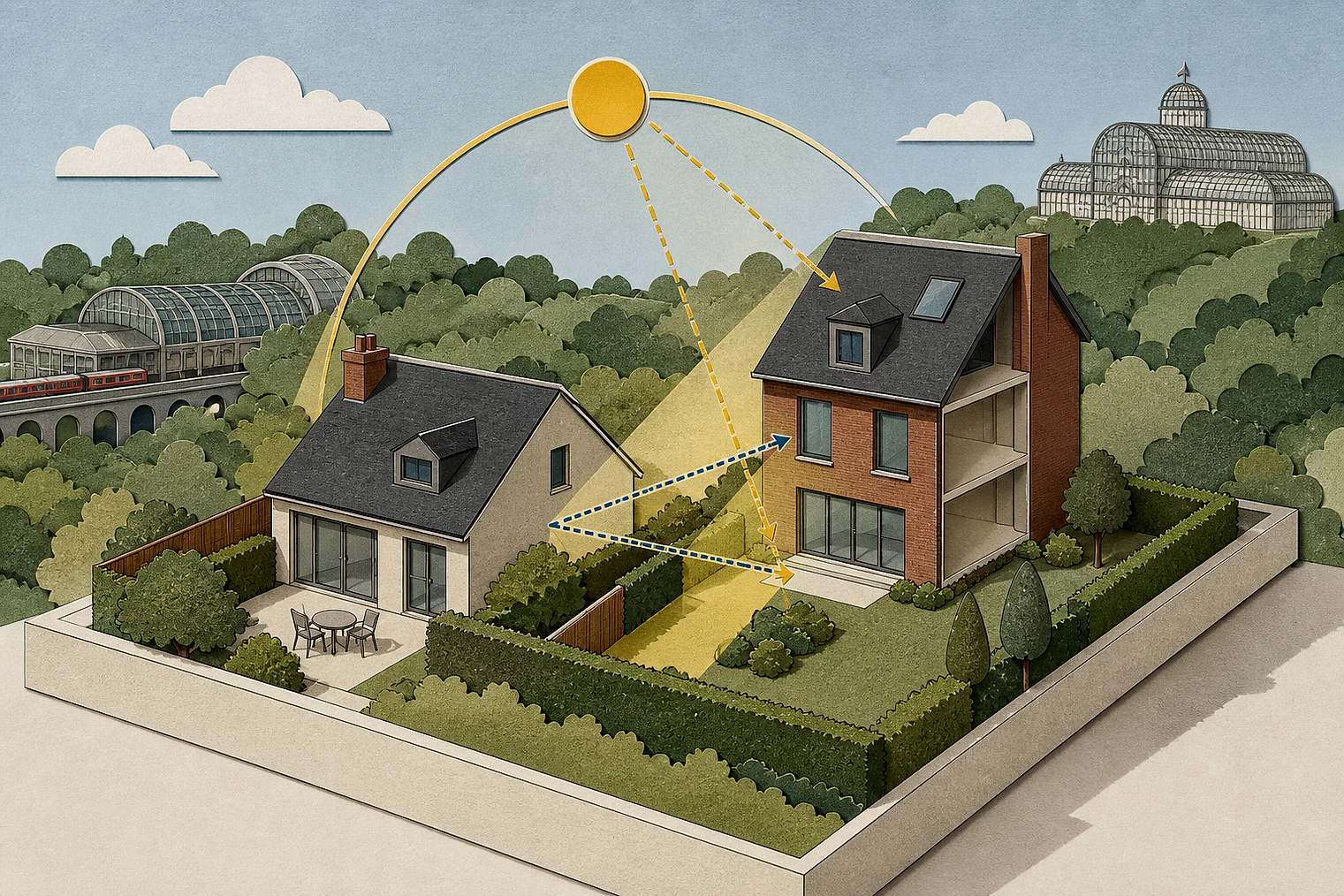
Planning Data area point: Bromley LPA (51.371996, 0.051547). This is the published representative point for the authority boundary, not a town hall, camera position or appeal site.
London Borough of Bromley appeal findings
Bromley neighbour effects: decks, outlook and annexes
One dismissed extract gives only the conclusion, so it cannot show the specific harm found.
Counted against appeals
Raised decks, privacy and outlook
Higher decking exposed gardens
The extra height created views into both neighbouring gardens from seated and standing positions, causing unacceptable privacy loss.
Extension harmed a neighbour's outlook
The proposal was found to harm No. 54's living conditions, particularly their outlook.
Helped or needed
Distances and existing garden views
Annexe read as an outbuilding
From No.82's rear rooms, the annexe was distant and appeared as an outbuilding in the local garden scene.
Similar views already existed
The view was compared with outbuildings visible from the appeal property's garden.
No unacceptable outlook harm
The conclusion found the rear and side extension would not unacceptably harm No.79's outlook.
Your refusal notice
Check these details
- Does the refusal notice identify overlooking from a raised deck?
- Does it explain how a neighbour's outlook would be harmed?
- Does it record boundary distance and views from rear rooms?
The annexe example also covered character and appearance, so only its neighbour-living-conditions passage is used. These decisions do not predict another result.
Appeal evidence examples
Compare allowed and dismissed appeal reasoning
Each example separates the development, the Inspector-stated issue that selected it, and the reasoning from the decision. Compare the facts as well as the outcome: these examples do not predict how a different proposal would be decided.
Allowed appeal examples
2 examples
29 June 2026 · Allowed
Development described in the decision
residential ground floor rear / side extension to outrigger.
Issue identified by the Inspector
The main issue is the effect of the proposed development on the living conditions of the occupiers of [address] (No.79), particularly in terms of outlook.
Paragraph 3 · Source page 1
Reasoning from the decision
I therefore conclude that the proposal would not unacceptably harm the living conditions of occupiers of No.79, having had particular regard to outlook. As such, the proposal would not conflict with Policy D3 of the London Plan (2021) or Policies 6 and 37 of the Bromley Local plan (2019), which amongst other matters, require development to be of a high standard of design, provide appropriate outlook and be compatible with surrounding development.
Paragraph 12 · Source page 3
29 June 2026 · Allowed
Development described in the decision
erection of a single-storey detached annex in the rear garden for ancillary residential use.
Issue identified by the Inspector
The main issues are the effect on: • The character and appearance of the local area; and • The living conditions of neighbouring residential occupiers.
Paragraph 2 · Source page 1
Reasoning from the decision
The proposed annexe would replace an existing outbuilding and would be larger and taller than the existing outbuilding and positioned 1.2 metres from the shared boundary with No.82. This would result in the upper part and hipped roof of the proposal being visible from the garden of this neighbouring property. From my site visit it is apparent that this would be similar to the views afforded from the garden of the appeal property of outbuildings in neighbouring gardens at No.82 and [address] (No.86). From the rear rooms of No.82, the proposal would be a significant distance from this house and would appear as an outbuilding within the local garden scene from this property and other neighbouring properties that overlook the garden. As such, I do not find that the proposal would result in any significant loss of outlook from No.82 or other properties and, given the height of the proposal and distance to the boundary fence to No.82, any loss of daylight or sunlight of any significance to the extent that it would be detrimental to the living conditions of its occupiers.
Paragraph 8 · Source pages 2, 3
Dismissed appeal examples
3 examples
28 April 2023 · Dismissed
Development described in the decision
to raise the deck to meet the same level as the existing rear extension.
Issue identified by the Inspector
The main issue is the effect of the proposed development upon the living conditions of the occupiers of 209 and 213 [name], with particular regard to privacy.
Paragraph 2 · Source page 1
Reasoning from the decision
The proposal would raise the height of the decking by over 0.5m and would allow unobstructed views of both gardens at No’s. 209 and 213. The depth of the decking is over 3m and whilst this depth would remain the same, the extra height would increase visibility of neighbouring gardens from a seated and standing position. The proposal would therefore cause additional overlooking and result in an unacceptable loss of privacy for neighbours.
Paragraph 5 · Source page 1
24 February 2025 · Dismissed
Development described in the decision
described on the application form as, “Partial demolition of an existing parking garage and the demolition of the existing rear extension. Construction of a single storey rear extension with elevational alterations and raised concrete pavers”.
Issue identified by the Inspector
The main issue is the effect of the proposed development on the living conditions of the occupiers of [address] (No 54), with particular regard to outlook.
Paragraph 4 · Source page 1
Reasoning from the decision
I therefore find that the proposed development would have an unacceptable and harmful effect on the living conditions of the occupiers of No 54, with particular regard to outlook. Whilst not determinative, I have had regard to Policies 6 and 37 of the Bromley Local Plan (adopted 2019). To the extent that they are relevant considerations within the terms of the GPDO, the proposed development would conflict with their aims that, amongst other things, developments will be expected to respect the amenity of occupiers of neighbouring buildings.
Paragraph 9 · Source page 2
3 July 2023 · Dismissed
Development described in the decision
the erection of single story rear extension and addition of pitched roof to existing garage.
Issue identified by the Inspector
The main issue is the effect of the proposed development on the living conditions of the occupiers of No.[address].
Paragraph 2 · Source page 1
Reasoning from the decision
The proposal would harm the living conditions of the neighbour and would conflict with the development plan taken as a whole. There are no material considerations that indicate the decision should be made other than in accordance with the development plan. Therefore, for the reasons given, I conclude that the appeal should not succeed.
Paragraph 13 · Source page 2