
Local planning policy field guide
Buckinghamshire Council planning policy summary
Explore Buckinghamshire Council’s planning requirements for common proposals, with the local tests, application evidence and official documents gathered in one place.
AI-generated from the linked official sources; not editorially reviewed. How these summaries are prepared.
- Local answers
- 56
- Official documents cited
- 2
- Planning sections
- 12
- Sources checked
- 5 September 2026
What this guide covers
The current inherited development-plan hierarchy across Buckinghamshire, plus a first source-verified set of common housing, amenity, design, transport, climate, heritage and natural-environment requirements for the former Aylesbury Vale plan area. The applicable former-district plan, policies map, made neighbourhood plan and site-specific allocation must be identified from the address.
Popular checks
Start with a common planning question
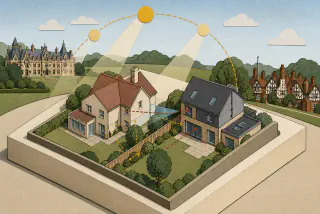 Neighbour amenityDaylight and neighboursCheck daylight, separation and privacy guidance.Open requirement
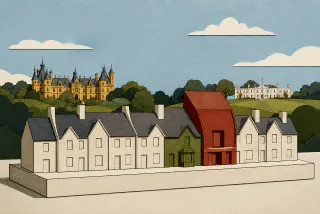 DesignDesign and characterReview scale, materials, extensions and local character.Open requirement
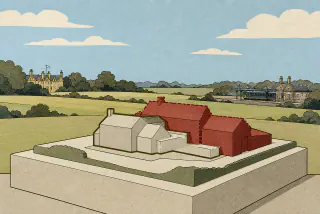 LocationGreen BeltCheck local thresholds for extensions and replacement buildings.Open requirement
Section 1
Consent, policy and location
Current development plan and policy hierarchy
What current plan documents and retained policies does the authority say form the development plan, and how should conflicts or transitions be handled?
Buckinghamshire retains separate adopted plan suites for the former Aylesbury Vale, Chiltern, South Bucks and Wycombe areas, together with made neighbourhood plans and county-wide minerals and waste policies. The emerging Buckinghamshire Local Plan has not replaced them.
- When this answer applies
- All applications in the Buckinghamshire Council planning area.
Details and exceptions
- Identify the former-district plan area from the site address before using a substantive rule.
- The detailed requirements below are confined to the former Aylesbury Vale plan area.
Sources used
- Our current plans and documents (opens in a new tab)Plan status— Current local development plans by former district area
- Vale of Aylesbury Local Plan 2013-2033 (opens in a new tab)Development plan— Development-plan context and contents, pp.13-18
Neighbourhood plan applicability
What does the authority say about which made neighbourhood plans apply and where?
Made neighbourhood plans form part of the development plan for their area and must be checked alongside the applicable inherited Local Plan.
- When this answer applies
- Sites within a made neighbourhood-plan area in Buckinghamshire.
Details and exceptions
- Check the council's current neighbourhood-planning register and the plan's policies map for the address.
Sources used
Site allocations and site-specific policy
What does the authority say about allocations, safeguarded land and site-specific policies?
Allocated sites are governed by their allocation policy, supporting infrastructure requirements and the applicable policies map as well as the general Local Plan policies.
- When this answer applies
- Allocated sites and land affected by mapped designations in the former Aylesbury Vale plan area.
Details and exceptions
- Check Policies D1-D2, the site-specific schedule, policies map and any relevant neighbourhood-plan allocation.
Sources used
- Vale of Aylesbury Local Plan 2013-2033 (opens in a new tab)Development plan— Policies D1-D2 and site allocations, pp.72-156
Settlement boundaries
How does the authority treat development inside or outside defined settlement limits?
Former-Aylesbury Vale development should follow the settlement hierarchy and its site allocations. Outside those routes, new countryside development should generally be avoided.
- When this answer applies
- Development in the former Aylesbury Vale plan area.
Details and exceptions
- The applicable route differs between strategic settlements, larger, medium and smaller villages, and other settlements; other Buckinghamshire plan areas use different policies.
Sources used
- Vale of Aylesbury Local Plan 2013-2033 (opens in a new tab)Development plan— Policy S3 and Table 2, pp.37-44
Countryside development
What does the authority say about development in the countryside or rural areas outside settlements?
In the former Aylesbury Vale area, new countryside development outside allocations should be avoided unless it falls within a plan policy supporting rural communities or another stated exception.
- When this answer applies
- Sites outside the settlements and allocations identified by the Vale of Aylesbury Local Plan.
Details and exceptions
- Proposal-specific routes include rural buildings, workers' dwellings, replacement homes, agriculture, tourism and equestrian uses.
Sources used
- Vale of Aylesbury Local Plan 2013-2033 (opens in a new tab)Development plan— Policy S3, Settlement hierarchy and cohesive development, pp.43-44
Green Belt development
What does the authority say about development in the Green Belt?
The former-Aylesbury Vale Green Belt boundary is retained on the policies map and development is controlled in line with national Green Belt policy.
- When this answer applies
- Land in the mapped Green Belt in the former Aylesbury Vale plan area.
Details and exceptions
- Green Belt extent and the inherited local-plan context differ elsewhere in Buckinghamshire; check the current map and national policy.
Sources used
- Vale of Aylesbury Local Plan 2013-2033 (opens in a new tab)Development plan— Policy S4, Green Belt, pp.44-48
Related local appeal evidence
Green Belt inappropriateness
7 matched decision families in this local evidence view.
- 4 allowed
- 3 dismissed
Local separation and green-wedge designations
What does the authority say about local gap, green wedge or settlement-separation designations?
Former-Aylesbury Vale Policy S3 resists development that would erode the open countryside between settlements, harm their separate identities or cause coalescence.
- When this answer applies
- Development in gaps between neighbouring settlements or communities in the former Aylesbury Vale area.
Details and exceptions
- Allocation policies can add location-specific requirements for settlement identity.
Sources used
- Vale of Aylesbury Local Plan 2013-2033 (opens in a new tab)Development plan— Policy S3 and paragraphs 3.22-3.24, pp.43-44
Other planning topics5
Keep these national checklist topics in mind alongside the local requirements above.
- Design codes and masterplans
- Planning permission and application route
- Permitted development and local limitations
- Prior approval requirements
- Article 4 directions
Section 2
Neighbour amenity
Daylight, sunlight, overshadowing and overbearing impact
How does the authority assess daylight, sunlight, overshadowing and overbearing impact?
Former-Aylesbury Vale Policy BE3 protects residents against unreasonable loss of light and the overbearing effect of a new structure.
- When this answer applies
- Development whose position, height or mass could affect nearby homes or outdoor space in the former Aylesbury Vale area.
Details and exceptions
- The policy does not set a universal 45-degree test; the assessment is site-specific and may require technical daylight and sunlight evidence.
Sources used
- Vale of Aylesbury Local Plan 2013-2033 (opens in a new tab)Development plan— Policy BE3 and paragraph 8.47, p.247
Related local appeal evidence
Neighbour living conditions
6 matched decision families in this local evidence view.
- 1 allowed
- 4 dismissed
- 1 other
Privacy, overlooking and separation
How does the authority assess privacy, overlooking and separation between buildings or amenity areas?
Former-Aylesbury Vale development must avoid unreasonable harm to existing residents' privacy and provide a satisfactory level of amenity for future residents.
- When this answer applies
- Development capable of overlooking homes or private space in the former Aylesbury Vale area.
Details and exceptions
- Policy BE3 states an outcome rather than one universal separation distance; siting, levels, orientation and current design guidance shape the assessment.
Sources used
- Vale of Aylesbury Local Plan 2013-2033 (opens in a new tab)Development plan— Policy BE3 and paragraph 8.47, p.247
Noise and vibration
What does the authority say about tests, limits, evidence and mitigation for noise and vibration?
Former-Aylesbury Vale development must avoid unreasonable noise harm; significant noise generators or noise-sensitive uses may need a noise impact study and appropriate attenuation.
- When this answer applies
- Noise-generating proposals and sensitive development near existing or planned noise sources in the former Aylesbury Vale area.
Details and exceptions
- Limits, operating hours and mitigation depend on the source, receptor, background conditions and current technical guidance.
Sources used
- Vale of Aylesbury Local Plan 2013-2033 (opens in a new tab)Development plan— Policy NE5, Noise pollution, p.263
Odour, fumes and dust
What does the authority say about tests or controls for odour, fumes, smoke, dust and similar emissions?
Former-Aylesbury Vale Policy BE3 identifies fumes and odours as residential-amenity effects that must not cause unreasonable harm.
- When this answer applies
- Development capable of producing fumes, odour or comparable disturbance near residents in the former Aylesbury Vale area.
Details and exceptions
- The evidence and mitigation are source- and receptor-specific; potentially polluting development can also engage Policy NE5.
Sources used
- Vale of Aylesbury Local Plan 2013-2033 (opens in a new tab)Development plan— Policy BE3 and paragraph 8.47, p.247
Artificial light and glare
What does the authority say about tests or controls for artificial light, glare and light spill?
External lighting in the former Aylesbury Vale area must be the minimum needed for security and safe work, minimise spill, glare and night-sky effects, and minimise daytime visual impact; wildlife corridors must be surveyed and protected where relevant.
- When this answer applies
- Development requiring external lighting in the former Aylesbury Vale plan area.
Details and exceptions
- Residential, commercial, heritage, rural-landscape and wildlife contexts receive particular attention.
Sources used
- Vale of Aylesbury Local Plan 2013-2033 (opens in a new tab)Development plan— Policy NE5, Light pollution, p.263
Other planning topics1
Keep these national checklist topics in mind alongside the local requirements above.
- Outlook and enclosure
Section 3
Design, form and character
Character, context and placemaking
What does the authority say about responding to local character, townscape, context, public realm, legibility and inclusive or safe design?
Former-Aylesbury Vale development must respect the site's physical context, local vernacular and distinctiveness, natural features, important public views and skylines.
- When this answer applies
- All development in the former Aylesbury Vale plan area.
Details and exceptions
- The Aylesbury Vale Design SPD supplies more detailed guidance and site allocations can impose a masterplan or design-code framework.
Sources used
- Vale of Aylesbury Local Plan 2013-2033 (opens in a new tab)Development plan— Policy BE2, Design of new development, pp.246-247
Related local appeal evidence
Area character and appearance
16 matched decision families in this local evidence view.
- 4 allowed
- 11 dismissed
- 1 other
Other planning topics8
Keep these national checklist topics in mind alongside the local requirements above.
- Layout, siting and building lines
- Scale, height and massing
- Side spacing and terracing
- Extensions
- Roof alterations and dormers
- Outbuildings and ancillary structures
- Materials and architectural detail
- Boundaries, frontages and entrances
Section 4
Residential quality and housing form
Accessible and adaptable homes
What does the authority say about wheelchair, accessible and adaptable housing standards or proportions?
Former-Aylesbury Vale development must meet high accessibility standards, with homes reaching Building Regulations M4(2) unless independently assessed evidence shows this is unviable. At least 15% of affordable homes should be nominated for M4(3) wheelchair-accessible provision, subject to site suitability and viability.
- When this answer applies
- New housing in the former Aylesbury Vale plan area.
Details and exceptions
- Use the current equivalent Building Regulations standards and assess proximity to services, facilities and public transport for M4(3) homes.
Sources used
- Vale of Aylesbury Local Plan 2013-2033 (opens in a new tab)Development plan— Policy H6c, Accessibility, pp.199-200
Housing mix, size and density
What does the authority say about dwelling mix, size and density for market housing?
Former-Aylesbury Vale housing should provide a mix of homes based on the council's latest housing-needs evidence, local market evidence and any applicable neighbourhood-plan evidence. Density must use land effectively while responding to surroundings and residential amenity.
- When this answer applies
- New residential development in the former Aylesbury Vale plan area.
Details and exceptions
- The percentages in the plan's 2016 evidence are a guide rather than a fixed requirement; current evidence controls the negotiated mix.
Sources used
- Vale of Aylesbury Local Plan 2013-2033 (opens in a new tab)Development plan— Policy H6a, Housing mix, pp.191-192
- Vale of Aylesbury Local Plan 2013-2033 (opens in a new tab)Development plan— Policy BE4, Density of new development, p.248
Older-person, care and supported housing
What does the authority say about older-person, care and supported housing?
Former-Aylesbury Vale C2 older-person accommodation should be in a sustainable location for amenities and services, include an identified care package, meet or exceed the stated clinical space standards and provide social and recreational facilities.
- When this answer applies
- Class C2 older-person accommodation in the former Aylesbury Vale plan area.
Details and exceptions
- Policy H6b also identifies allocations and broad locations; guest accommodation is expected except for Extra Care Sheltered accommodation.
Sources used
- Vale of Aylesbury Local Plan 2013-2033 (opens in a new tab)Development plan— Policy H6b, Housing for older people, pp.198-199
Other planning topics8
Keep these national checklist topics in mind alongside the local requirements above.
- Internal space standards
- Private amenity space
- Build to rent
- Student and co-living accommodation
- Annexes and ancillary accommodation
- Subdivision and flat conversion
- HMOs and room-based shared housing
- Infill, backland and garden development
Section 5
Movement, parking and servicing
Access, highway safety and visibility
What does the authority say about access, highway safety and visibility?
Former-Aylesbury Vale development must provide safe and suitable access for all users and a layout that minimises conflict between traffic, emergency vehicles, public transport, cyclists and pedestrians.
- When this answer applies
- Development affecting access or highway operation in the former Aylesbury Vale area.
Details and exceptions
- The necessary visibility, geometry and mitigation depend on the road, speed environment, traffic generation and current highway guidance.
Sources used
- Vale of Aylesbury Local Plan 2013-2033 (opens in a new tab)Development plan— Policy T4 context and Policy T5, pp.231-233
Vehicle parking
What does the authority say about vehicle-parking quantities, dimensions, layout and flexibility?
Former-Aylesbury Vale development must provide parking to the standards in Appendix B. Rear parking courts are exceptional, and a garage or car port counts only if it reaches the minimum internal size in the appendix.
- When this answer applies
- Development requiring vehicle parking in the former Aylesbury Vale plan area.
Details and exceptions
- Accessibility, use, local ownership, security and on- and off-street provision inform cases not covered by the tables; other Buckinghamshire plan areas use different standards.
Sources used
- Vale of Aylesbury Local Plan 2013-2033 (opens in a new tab)Development plan— Policy T6, Vehicle Parking, pp.233-234, and Appendix B, pp.319-326
Cycle parking and storage
What does the authority say about cycle parking, storage and end-of-trip facilities?
Former-Aylesbury Vale development affecting footpath or cycle networks must provide new or improved cycle access and facilities where necessary, including cycle storage, and connect safe routes through the site to surrounding networks and public transport.
- When this answer applies
- Development with implications for walking or cycling networks in the former Aylesbury Vale area.
Details and exceptions
- Appendix B contains use-specific cycle-parking standards.
Sources used
- Vale of Aylesbury Local Plan 2013-2033 (opens in a new tab)Development plan— Policy T7, Footpaths and cycle routes, pp.234-235, and Appendix B
Electric-vehicle charging
What does the authority say about electric-vehicle charging and passive provision through planning policy or conditions?
Former-Aylesbury Vale Policy T8 requires one dedicated charging point per house with a garage or driveway; at least 10% of flat parking bays need dedicated chargers and the remainder passive wiring. Non-residential schemes have separate bay thresholds.
- When this answer applies
- New development and conversions providing parking in the former Aylesbury Vale plan area.
Details and exceptions
- Current Building Regulations and any later council standards may supersede or add to these Local Plan figures; larger or phased schemes have additional requirements.
Sources used
- Vale of Aylesbury Local Plan 2013-2033 (opens in a new tab)Development plan— Policy T8 and Table 19, pp.235-236
Transport impacts, mitigation and monitoring
What does the authority say about assessing transport effects and securing mitigation, travel measures and monitoring?
Former-Aylesbury Vale development must demonstrate network capacity and provide necessary mitigation through highway works, public-transport measures, walking and cycling routes or a travel plan as appropriate.
- When this answer applies
- Development generating material travel demand in the former Aylesbury Vale area.
Details and exceptions
- Policy T4 gives land-use thresholds for a Transport Statement, Transport Assessment and Travel Plan; use the current council guidance at submission date.
Sources used
- Vale of Aylesbury Local Plan 2013-2033 (opens in a new tab)Development plan— Policies T4-T5 and Table 18, pp.231-233
Other planning topics5
Keep these national checklist topics in mind alongside the local requirements above.
- Accessible parking
- Turning, emergency access and tracking
- Servicing, loading and deliveries
- Refuse and recycling storage and collection
- Active travel and public transport
Section 6
Heritage, archaeology and views
Listed buildings and their setting
What does the authority say about works affecting a listed building or its setting, including separate consent?
Former-Aylesbury Vale proposals must conserve designated heritage assets in a manner appropriate to their significance, including their setting, and seek enhancement where possible; any harm needs a clear, proportionate justification.
- When this answer applies
- Development affecting a listed building or another designated heritage asset or its setting in the former Aylesbury Vale area.
Details and exceptions
- Apply the current statutory duties and national harm tests alongside Policy BE1.
Sources used
- Vale of Aylesbury Local Plan 2013-2033 (opens in a new tab)Development plan— Policy BE1, Heritage assets, pp.245-246
Conservation areas
What does the authority say about development in or affecting a conservation area, including demolition?
Development in or affecting a former-Aylesbury Vale conservation area must conserve its significance and setting and respond to local distinctiveness, scale, massing, detailing and materials.
- When this answer applies
- Sites in or affecting the setting of a conservation area in the former Aylesbury Vale plan area.
Details and exceptions
- Use the current conservation-area appraisal and management plan for the location.
Sources used
- Vale of Aylesbury Local Plan 2013-2033 (opens in a new tab)Development plan— Policy BE1 and heritage context, pp.240-246
Non-designated heritage assets
What does the authority say about locally listed and other non-designated heritage assets?
Former-Aylesbury Vale proposals affecting a non-designated heritage asset must assess direct and indirect effects on the asset and its setting, with a presumption in favour of practical retention.
- When this answer applies
- Development affecting a locally identified or otherwise evidenced non-designated heritage asset in the former Aylesbury Vale area.
Details and exceptions
- The planning balance depends on significance, degree of harm and public benefits.
Sources used
- Vale of Aylesbury Local Plan 2013-2033 (opens in a new tab)Development plan— Policy BE1 and paragraphs 8.34-8.35, pp.243-246
Archaeology
What does the authority say about when archaeological interest should be assessed, evaluated, recorded or preserved?
Former-Aylesbury Vale sites containing or likely to contain archaeological remains require an archaeological field evaluation; important remains should be retained in situ where possible, or preserved by record where justified.
- When this answer applies
- Sites with known or potential archaeological interest in the former Aylesbury Vale area.
Details and exceptions
- The scope of evaluation and recording should be agreed against the Historic Environment Record and the site's archaeological potential.
Sources used
- Vale of Aylesbury Local Plan 2013-2033 (opens in a new tab)Development plan— Policy BE1 and paragraphs 8.36-8.37, pp.243-246
Other planning topics1
Keep these national checklist topics in mind alongside the local requirements above.
- Historic landscapes and important views
Section 7
Nature, landscape and open space
Trees and tree preservation
What does the authority say about trees, root protection, replacement and protected-tree constraints?
Where former-Aylesbury Vale development could affect trees, a BS 5837 tree survey and arboricultural impact assessment are required, with protective measures secured through conditions and replacement planting where loss is acceptable.
- When this answer applies
- Development affecting trees within or adjacent to the site in the former Aylesbury Vale area.
Details and exceptions
- Tree preservation orders, conservation-area controls and ancient-tree policy may impose additional constraints.
Sources used
- Vale of Aylesbury Local Plan 2013-2033 (opens in a new tab)Development plan— Policy NE8, Trees, hedgerows and woodlands, pp.268-269
Hedgerows
What does the authority say about hedgerow protection, buffers and replacement?
Unavoidable loss of a species-rich native hedgerow in the former Aylesbury Vale area must be compensated with native species-rich planting that produces a net gain; Policy NE8 also seeks a natural, unlit buffer around retained and planted hedgerows.
- When this answer applies
- Development affecting hedgerows in the former Aylesbury Vale plan area.
Details and exceptions
- The policy's aspiration is a 10-metre buffer with a 5-metre minimum; site ecology and current national rules also apply.
Sources used
Ancient woodland and veteran trees
What does the authority say about buffers and impact tests for ancient woodland, ancient trees and veteran trees?
Former-Aylesbury Vale development causing a significant adverse impact on ancient woodland or ancient trees is refused unless exceptional circumstances clearly outweigh the impact. Policy NE8 generally expects at least 50 metres between ancient woodland and built development or grey infrastructure.
- When this answer applies
- Development affecting ancient woodland, ancient trees or veteran trees in the former Aylesbury Vale area.
Details and exceptions
- The buffer must be proportionate to the development and considered with current national irreplaceable-habitat policy.
Sources used
Protected species
What does the authority say about surveys, avoidance, mitigation and licensing-related planning considerations for protected species?
Where a protected or priority species or its habitat is reasonably likely, former-Aylesbury Vale development must demonstrate that adverse effects will be avoided or addressed through the mitigation hierarchy before permission can be granted.
- When this answer applies
- Development with a reasonable likelihood of affecting protected or priority species or habitats in the former Aylesbury Vale area.
Details and exceptions
- Ecological surveys must be proportionate, current and undertaken by a suitably qualified person.
Sources used
- Vale of Aylesbury Local Plan 2013-2033 (opens in a new tab)Development plan— Policy NE1(f)-(h), pp.253-255
Designated habitats and impact zones
What does the authority say about designated habitats, ecological networks, consultation zones and strategic mitigation areas?
Former-Aylesbury Vale development likely to affect the Chiltern Beechwoods SAC requires Habitat Regulations assessment and cannot proceed unless significant adverse effects are fully addressed. International and national sites receive the protection set out in Policy NE1.
- When this answer applies
- Development capable of affecting the SAC, an SSSI or another protected site in the former Aylesbury Vale area.
Details and exceptions
- Use current impact-risk zones, recreational-pressure strategy and national habitats law for the particular proposal.
Sources used
- Vale of Aylesbury Local Plan 2013-2033 (opens in a new tab)Development plan— Policy NE1, Protected Sites, pp.253-254
Biodiversity net gain
What does the authority say about biodiversity-net-gain metrics, percentages, exemptions, delivery and monitoring?
Former-Aylesbury Vale Policy NE1 seeks measurable biodiversity net gain on minor and major development, using the mitigation hierarchy and on-site measures before off-site compensation. The current national minimum and exemptions apply at decision date.
- When this answer applies
- Development subject to biodiversity requirements in the former Aylesbury Vale plan area.
Details and exceptions
- National legislation now supplies the mandatory percentage, metric, duration and exemptions; do not rely on the older plan wording alone.
Sources used
- Vale of Aylesbury Local Plan 2013-2033 (opens in a new tab)Development plan— Policy NE1(c)-(d), pp.253-254
Nationally designated landscapes
What does the authority say about development in or affecting National Landscapes, National Parks and Heritage Coasts?
Former-Aylesbury Vale development affecting the Chilterns National Landscape must conserve and enhance its natural beauty, special qualities and distinctive character, including impacts from outside the boundary on its setting.
- When this answer applies
- Development in the Chilterns National Landscape or capable of affecting its setting in the former Aylesbury Vale area.
Details and exceptions
- Major development engages the current national exceptional-circumstances and public-interest test.
Sources used
- Vale of Aylesbury Local Plan 2013-2033 (opens in a new tab)Development plan— Policy NE3, The Chilterns AONB and setting, pp.257-260
Landscape character and visual impact
What does the authority say about landscape or seascape character and visual effects?
Former-Aylesbury Vale development should respect landscape character, scenic quality, tranquillity, settlement pattern, views and landscape features, with mitigation and enhancement proportionate to the effects.
- When this answer applies
- Development with landscape or visual effects in the former Aylesbury Vale plan area.
Details and exceptions
- Use the current landscape-character assessment and a proportionate landscape and visual appraisal for the site.
Sources used
- Vale of Aylesbury Local Plan 2013-2033 (opens in a new tab)Development plan— Policy NE4, Landscape character and locally important landscape, pp.260-263
Local Green Space
What does the authority say about designated or proposed Local Green Space?
On Local Green Space designated by a made neighbourhood plan in the former Aylesbury Vale area, new development is restricted to very special circumstances, with narrow provision for compatible small-scale uses and replacement buildings.
- When this answer applies
- Mapped Local Green Space in the former Aylesbury Vale plan area.
Details and exceptions
- Policy NE6 says a replacement building should not normally be more than 25-30% larger in volume and must preserve the designation's special significance.
Sources used
- Vale of Aylesbury Local Plan 2013-2033 (opens in a new tab)Development plan— Policy NE6, Local green space, pp.265-266
Green infrastructure, open space and recreation
What does the authority say about retaining or providing green infrastructure, open space, recreation and play space?
Former-Aylesbury Vale housing above 10 units or 1,000 square metres gross internal area must meet the accessible-natural-green-space standards in Appendix C, with amenity green space on site and long-term management arrangements.
- When this answer applies
- Qualifying housing development in the former Aylesbury Vale plan area.
Details and exceptions
- An assessment can show that accessible provision is already sufficient; sports, play and allotment provision are additional to the ANGSt calculation.
Sources used
- Vale of Aylesbury Local Plan 2013-2033 (opens in a new tab)Development plan— Policy I1, Green infrastructure, pp.289-291, and Appendix C
Section 8
Flooding, environment and climate
Flood risk and the sequential approach
What does the authority say about flood zones, sequential and exception tests, vulnerability, levels and resilience?
Former-Aylesbury Vale development must pass the flood-risk sequential test. A site-specific flood-risk assessment is required for sites over one hectare in Flood Zone 1, land in Zones 2 or 3, and other locations with identified historic, drainage or watercourse risks.
- When this answer applies
- Development meeting a Policy I4 flood-risk trigger in the former Aylesbury Vale area.
Details and exceptions
- The exception test applies where required; assessment must cover all sources of flooding, climate change, safe access and residual risk.
Sources used
- Vale of Aylesbury Local Plan 2013-2033 (opens in a new tab)Development plan— Policy I4(a)-(n), Flooding, pp.298-300
Drainage and sustainable drainage
What does the authority say about surface-water hierarchy, runoff, attenuation, SuDS, adoption and maintenance?
All former-Aylesbury Vale development must use sustainable drainage to manage surface water on site without increasing flood risk elsewhere and submit a maintenance plan; connection to a combined or surface-water sewer is exceptional where no feasible alternative exists.
- When this answer applies
- All development producing surface-water runoff in the former Aylesbury Vale plan area.
Details and exceptions
- Ground investigation, discharge rates, groundwater protection, climate allowances and consultation depend on the site and receiving system.
Sources used
- Vale of Aylesbury Local Plan 2013-2033 (opens in a new tab)Development plan— Policy I4(o)-(x), Sustainable drainage systems, pp.299-300
Contaminated land
What does the authority say about when contamination should be investigated, risk-assessed, remediated and verified?
Former-Aylesbury Vale development on or near potentially contaminated land needs an appropriate contamination assessment and, where necessary, investigation, remediation and a validation report showing the site is suitable for its proposed use.
- When this answer applies
- Land known or suspected to be contaminated in the former Aylesbury Vale area.
Details and exceptions
- Groundwater protection and the proposed end use determine the investigation and remediation scope.
Sources used
- Vale of Aylesbury Local Plan 2013-2033 (opens in a new tab)Development plan— Policy NE5, Contaminated land, p.264
Air quality
What does the authority say about air-quality assessment, exposure, emissions and mitigation?
Former-Aylesbury Vale development with a potential adverse air-quality effect must submit an impact assessment; significantly polluting proposals require detailed dispersion modelling and appropriate monitoring.
- When this answer applies
- Development likely to affect air quality or sensitive biodiversity in the former Aylesbury Vale area.
Details and exceptions
- Assessment scope and mitigation depend on current standards, the source, baseline conditions and receptors.
Sources used
- Vale of Aylesbury Local Plan 2013-2033 (opens in a new tab)Development plan— Policy NE5, Air quality, pp.263-264
Water environment, wastewater and nutrients
What does the authority say about water quality, wastewater capacity, nutrient effects and watercourse buffers?
Former-Aylesbury Vale development must avoid adverse effects on surface water and groundwater and demonstrate adequate water and wastewater capacity. Major schemes with potential capacity effects must provide evidence of early consultation with the relevant water company.
- When this answer applies
- Development affecting water resources, water quality or wastewater infrastructure in the former Aylesbury Vale area.
Details and exceptions
- Development may be phased so infrastructure is available before occupation; catchment-specific nutrient or habitat rules must be checked separately.
Sources used
- Vale of Aylesbury Local Plan 2013-2033 (opens in a new tab)Development plan— Policy I5, Water resources and Wastewater Infrastructure, pp.301-302
Energy, carbon and sustainable construction
What does the authority say about energy hierarchy, operational or embodied carbon, renewable energy and sustainable construction for ordinary development?
Former-Aylesbury Vale major residential development above 10 dwellings and all non-residential development must provide an energy statement showing how the energy hierarchy has been applied.
- When this answer applies
- Residential development over 10 dwellings and all non-residential development in the former Aylesbury Vale area.
Details and exceptions
- Larger schemes can also require a district-heating or cooling feasibility assessment; use current Building Regulations and national policy alongside the plan.
Sources used
- Vale of Aylesbury Local Plan 2013-2033 (opens in a new tab)Development plan— Policy C3(h)-(o), pp.282-283
Water efficiency
What does the authority say about potable-water efficiency and consumption standards?
New homes in the former Aylesbury Vale area should be designed not to exceed 110 litres of water per person per day.
- When this answer applies
- New dwellings in the former Aylesbury Vale plan area.
Details and exceptions
- Apply the current equivalent optional Building Regulations standard and water-company requirements.
Sources used
Agricultural land and soils
What does the authority say about assessing, protecting and restoring best and most versatile agricultural land and soils?
Former-Aylesbury Vale proposals on agricultural land must identify its Agricultural Land Classification. Built development should avoid Grades 1, 2 and 3a where possible, and significant loss requires evidence that no suitable poorer-quality site exists and that benefits outweigh the harm.
- When this answer applies
- Development involving agricultural land in the former Aylesbury Vale plan area.
Details and exceptions
- Adopted allocations are expressly subject to a different policy context.
Sources used
- Vale of Aylesbury Local Plan 2013-2033 (opens in a new tab)Development plan— Policy NE7, Best and most versatile agricultural land, p.266
Other planning topics3
Keep these national checklist topics in mind alongside the local requirements above.
- Coastal change and erosion
- Land stability and mining legacy
- Overheating and climate resilience
Section 9
Housing delivery and contributions
Affordable housing
What does the authority say about affordable-housing thresholds, percentages, tenure or mix, delivery and exceptions?
Former-Aylesbury Vale Policy H1 requires at least 25% affordable homes on site for residential development of 11 or more gross dwellings or on sites of at least 0.3 hectares.
- When this answer applies
- Qualifying residential development in the former Aylesbury Vale plan area.
Details and exceptions
- Type, size, tenure and location use current needs evidence; current national threshold rules and viability must be applied at decision date.
- The target is not transferable to the other Buckinghamshire plan areas.
Sources used
- Vale of Aylesbury Local Plan 2013-2033 (opens in a new tab)Development plan— Policy H1 and paragraphs 5.1-5.12, pp.180-182
Viability
What does the authority say about when and how viability evidence may affect policy requirements or contributions?
A former-Aylesbury Vale proposal seeking less affordable housing must provide an independently assessed open-book financial appraisal addressing the policy requirement, other requirements, site characteristics and financial factors.
- When this answer applies
- Proposals in the former Aylesbury Vale area claiming that Policy H1 is unviable.
Details and exceptions
- A viability assertion does not itself remove the requirement; off-site provision or a payment is exceptional and must be justified.
Sources used
- Vale of Aylesbury Local Plan 2013-2033 (opens in a new tab)Development plan— Policy H1(b)-(c), p.182
Other planning topics3
Keep these national checklist topics in mind alongside the local requirements above.
- Community Infrastructure Levy
- Section 106 and infrastructure contributions
- Delivery, phasing and monitoring
Section 10
Application evidence and validation
Other planning topics12
Keep these national checklist topics in mind alongside the local requirements above.
- Local validation list and core information
- Design and Access and Planning Statements
- Heritage and archaeology evidence
- Trees, landscape, ecology and BNG evidence
- Flood, drainage and water evidence
- Transport, parking and travel evidence
- Ground and pollution evidence
- Energy, sustainability and climate evidence
- Affordable housing, viability and contributions evidence
- Construction, demolition and waste evidence
- Environmental Impact Assessment
- Fire statements and planning-gateway evidence
Section 11
Economic, community and specialist uses
Employment sites and premises
What does the authority say about protecting, releasing, intensifying or replacing employment land and premises?
Former-Aylesbury Vale key employment sites are protected for appropriate Class E office, B2 and B8 uses, with specified exceptions; proposals must also avoid unacceptable landscape, heritage, amenity, highway and cumulative effects.
- When this answer applies
- Employment development or loss of employment premises in the former Aylesbury Vale plan area.
Details and exceptions
- Policy E1 identifies key sites and Policy E2 governs other employment sites; current use classes and permitted-development rights must also be checked.
Sources used
- Vale of Aylesbury Local Plan 2013-2033 (opens in a new tab)Development plan— Policies E1-E2, pp.202-206
Retail, town centres and main-town-centre uses
What does the authority say about hierarchy, sequential and impact tests, frontages and scale for retail and other main-town-centre uses?
Former-Aylesbury Vale main-town-centre uses should follow the centre hierarchy and sequential approach; out-of-centre proposals at or above the locally stated floorspace thresholds also require an impact assessment.
- When this answer applies
- Retail, leisure, office and other main-town-centre uses in the former Aylesbury Vale plan area.
Details and exceptions
- Threshold and frontage rules vary by centre and use; check Policies E5-E6 and D7-D10 for the location.
Sources used
- Vale of Aylesbury Local Plan 2013-2033 (opens in a new tab)Development plan— Policies E5-E6, pp.208-213, and D7-D10, pp.165-176
Tourism and visitor accommodation
What does the authority say about hotels, holiday accommodation and tourism attractions?
Former-Aylesbury Vale tourism and visitor accommodation is supported where its scale, location, access, design and environmental effects are appropriate, with countryside proposals tied to rural character and sustainable access.
- When this answer applies
- Tourism development and visitor accommodation in the former Aylesbury Vale plan area.
Details and exceptions
- Hotels and other main-town-centre uses can also engage the sequential and impact tests.
Sources used
- Vale of Aylesbury Local Plan 2013-2033 (opens in a new tab)Development plan— Policies E7-E8, Tourism development and accommodation, pp.213-217
Agriculture and farm diversification
What does the authority say about agricultural buildings, prior approval, diversification and changes of use?
Former-Aylesbury Vale agricultural development must be justified by the needs of the holding and respond to siting, design, access, landscape, heritage, ecology, amenity and pollution effects.
- When this answer applies
- Agricultural buildings and development in the former Aylesbury Vale plan area.
Details and exceptions
- Some proposals use prior approval or permitted-development routes; determine the correct application route first.
Sources used
- Vale of Aylesbury Local Plan 2013-2033 (opens in a new tab)Development plan— Policy E9, Agricultural development, pp.217-220
Rural workers' dwellings
What does the authority say about functional or financial need, occupancy and siting for rural workers' dwellings?
A new former-Aylesbury Vale rural worker's dwelling must meet an essential, evidenced need for a full-time worker to live permanently at the enterprise and satisfy financial, siting, occupancy and other criteria in Policy H3.
- When this answer applies
- Proposed permanent or temporary dwellings for agriculture, forestry or another rural enterprise in the former Aylesbury Vale area.
Details and exceptions
- Temporary accommodation has its own test; an occupancy condition normally applies and existing accommodation and recent disposal must be addressed.
Sources used
- Vale of Aylesbury Local Plan 2013-2033 (opens in a new tab)Development plan— Policy H3, Rural workers dwellings, pp.186-189
Equestrian development
What does the authority say about stables, arenas, grazing-related structures and commercial equestrian use?
Former-Aylesbury Vale equestrian development must be suitably located and scaled, protect landscape, heritage, ecology and neighbours, provide safe access and adequate land, and manage buildings, lighting, waste and drainage appropriately.
- When this answer applies
- Equestrian uses, buildings and associated development in the former Aylesbury Vale plan area.
Details and exceptions
- Commercial and residential-linked proposals can require different evidence and controls.
Sources used
- Vale of Aylesbury Local Plan 2013-2033 (opens in a new tab)Development plan— Policy C2, Equestrian development, pp.278-282
Traveller, Gypsy and showpeople sites
What does the authority say about allocation, need, location, amenity and design for traveller pitches and travelling-showpeople plots?
Former-Aylesbury Vale traveller and showpeople sites must meet an identified need and provide suitable access, privacy, servicing and layout without unacceptable environmental, flood, health, highway or community effects; sites should normally contain no more than 15 pitches.
- When this answer applies
- New or expanded Gypsy, Traveller, park-home or Travelling Showpeople sites in the former Aylesbury Vale area.
Details and exceptions
- Green Belt sites need very special circumstances; showpeople yards are also assessed for storage, animals and business land.
Sources used
- Vale of Aylesbury Local Plan 2013-2033 (opens in a new tab)Development plan— Policy D11, Gypsy, Traveller and Travelling Showpeople sites, pp.177-178
Telecommunications
What does the authority say about siting, design, sharing, coverage and evidence for telecommunications equipment?
Former-Aylesbury Vale telecommunications infrastructure must be future-proofed where part of new development, explore industry-standard on-site ducting, and minimise visual, character and amenity effects.
- When this answer applies
- Telecommunications installations and new housing or commercial development in the former Aylesbury Vale area.
Details and exceptions
- Evidence is needed where on-site infrastructure cannot be delivered for technical or viability reasons; permitted-development rules may govern some installations.
Sources used
- Vale of Aylesbury Local Plan 2013-2033 (opens in a new tab)Development plan— Policy I6, Telecommunications, pp.303-305
Solar energy
What does the authority say about siting, scale, landscape, heritage, ecology, agricultural land and restoration for solar photovoltaic development?
Former-Aylesbury Vale solar proposals are supported where cumulative landscape, biodiversity, heritage, Green Belt, aviation, highway and residential-amenity effects are acceptable.
- When this answer applies
- Solar-energy development in the former Aylesbury Vale plan area.
Details and exceptions
- Landscape assessment should be proportionate to the proposal and its setting; larger schemes may engage separate national infrastructure rules.
Sources used
- Vale of Aylesbury Local Plan 2013-2033 (opens in a new tab)Development plan— Policy C3, Renewable Energy, pp.282-283
Wind energy
What does the authority say about location, community support, landscape, noise, ecology and separation for wind turbines?
Former-Aylesbury Vale wind-energy proposals must address cumulative landscape and visual effects, ecology, heritage, Green Belt openness, aviation, highway safety and residential amenity.
- When this answer applies
- Wind-energy development in the former Aylesbury Vale plan area.
Details and exceptions
- Current national policy contains additional community-support and location tests for onshore wind.
Sources used
- Vale of Aylesbury Local Plan 2013-2033 (opens in a new tab)Development plan— Policy C3, Renewable Energy, pp.282-283
Other planning topics12
Keep these national checklist topics in mind alongside the local requirements above.
- Community facilities
- Caravan, camping and holiday parks
- Aviation, airports and aerodrome safeguarding
- Advertisements and signage
- Shopfront design
- Battery energy storage
- Other renewable and low-carbon infrastructure
- Hazardous installations and pipelines
- Defence, radar and technical safeguarding
- Ports and strategic transport infrastructure
- Minerals
- Waste development
Section 12
Separate consents and private matters
Other planning topics6
Keep these national checklist topics in mind alongside the local requirements above.
- Building Regulations
- Party Wall matters
- Private rights to light
- Covenants, boundaries and ownership
- Highway licences and adoption
- Environmental and other permits
Source library
Official documents used
Every requirement above links to its supporting document and source location. Browse all of the cited Buckinghamshire Council sources together here.
Browse 2 cited documents
Buckinghamshire Council
- Vale of Aylesbury Local Plan 2013-2033 (opens in a new tab)Development plan
Buckinghamshire Council · Adopted 15 September 2021
View official document page (opens in a new tab)